Previous
Next
- 12. CAPTAIN’S LAZARETTO
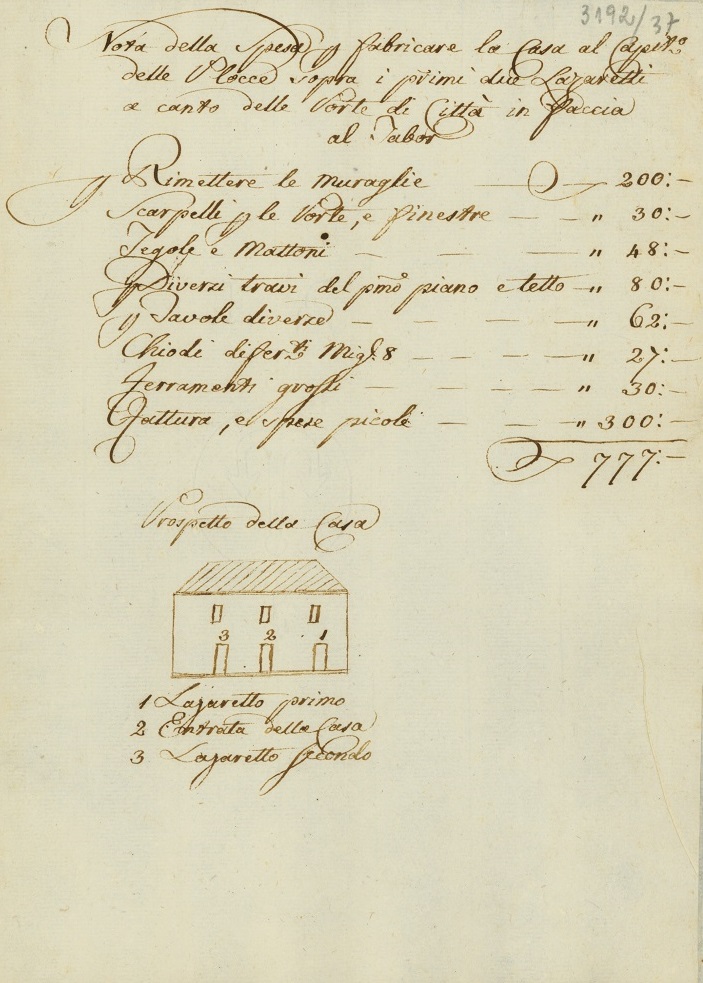
In 1580, the Ragusans claimed they erected a house at Ploče for Ottoman merchants. It is possible they were talking about the building which stood in this very spot. We don’t know what it looked like. In order to differ from Lazarettos-in-progress, it was named “The Old Lazaretto” in the 1630s. It was also called the “Captain’s Lazaretto,” because, besides Ottoman merchants who passed quarantine, it also housed the Lazaretto captain.
The captain was the person responsible for maintaining peace and order, not only in the Lazarettos, but throughout Ploče. That is why they also called him the “captain of Ploče.” He did his duty for the rest of his life, every day and every night.
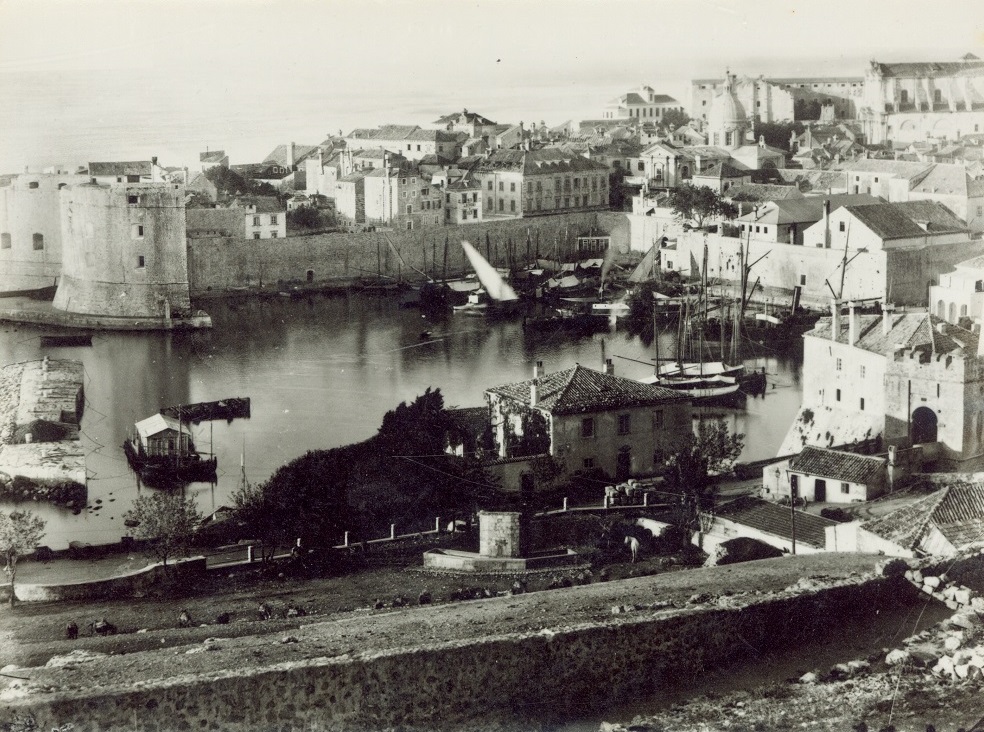
The captain of the Lazarettos, Vicko Volanti, lived in the lazaretto for more than twenty years. During his term in the late 1780s, the authorities decided to demolish his decrepit home and build him a more comfortable one. A new home was erected, and it still stands to this very day. The Lazaretto captain and the merchants lived upstairs, and the ground floor served as stables and goods depot.
